
Abstract
Although the removal of the adnexa technically removes more tissue, it may require less fine manipulation and dissection than cystectomy. Secondary to this, we sought to measure the effectiveness and safety of laparoendoscopic single-site surgery (LESS) versus conventional laparoscopy (CLS). We search six databases to find studies comparing LESS and CLS for ovarian lesions where removal of the entire ovary, with or without the fallopian tube, is necessary. Criteria used for study eligibility: both controlled trials and observational studies were included in this analysis. Study appraisal and synthesis methods: we used the Cochrane risk of bias assessment tool for the randomized clinical trials and the national heart, lung, and blood quality assessment tools for the observational studies. The statistical analysis was done using the review manager software. LESS showed a significantly longer operative time [mean difference (MD)=2.96 (-1.97, 7.90), p=0.24], but with moderate heterogeneity. Estimated blood loss was significantly lower for LESS [MD=-18.62 (-33.83, -3.42), p=0.02]. The length of patient hospital stay was comparable [MD=-0.02 (-0.50, 0.47), p=0.95]. Visual analog scale (VAS) pain scores at 24 hours [MD=0.23 (-0.09, 0.56), p=0.16] and 6 hours postoperatively [MD=0.15 (-0.04, 0.33), p=0.12] were similar. The LESS group required less postoperative analgesia [risk ratios (RR)=0.47 (0.32, 0.68), p=0.001]. The change in hemoglobin was comparable [MD=-0.11 (-0.26, 0.03), p=0.14]. Perioperative complications were higher in the LESS group [RR=2.236 (1.031, 4.851), p=0.04]. Compared with CLS, LESS required more operative time but resulted in significantly less blood loss and lower postoperative analgesic use. Hospital stays and VAS pain scores were similar. LESS had a higher incidence of perioperative complications, which questions the feasibility of its use in some situations.
Keywords: Adnexectomy, laparoendoscopic single-site surgery, conventional laparoscopic surgery, minimally invasive surgery, meta-analysis
Introduction
Masses of the ovary and adnexa are frequently encountered pathologies. The best course of treatment for these masses can vary and is not always clear to the clinician(). Asymptomatic masses with a low probability of being malignant do not usually require surgical treatment. Masses that have the potential to be malignant, or are causing pain, can often be excised by laparoscopic techniques(, ).
It is estimated that there are 350.000 adnexal surgeries carried out each year in the USA and that 65% of these are laparoscopic or robotic in nature(, ). While laparoscopic adnexal surgery in most cases is straightforward, in some patients with dense adhesions, obesity, prior pelvic surgery or endometriosis, surgery can be challenging().
In recent decades, improvements in medical technology and awareness of patients have pushed for the enhancement of minimally invasive surgical techniques. Laparoscopic surgery is preferred over open surgery because it causes less operative trauma, shorter operative time, less morbidity, faster recovery, and better cosmetic results(-).
Laparoendoscopic single-site surgery (LESS) is a relatively new technique within minimally invasive surgeries. LESS is performed via a single umbilical incision using specialized instrumentation. It has the potential benefits of minimizing abdominal scarring, decreasing the risk of trocar/port complications, and the potential for decreasing analgesic requirements(). Some studies have recently described LESS to be safe and effective for many gynecologic surgeries including adnexectomy, cystectomy, endometrioma excision, and hysterectomy(, ).
In addition, as opposed to cystectomy which sometimes requires extensive dissection between the ovarian lesion and the ovary proper, removal of the entire adnexa is normally a more straightforward procedure that may lend itself more to minimally invasive techniques such as LESS.
As a result, our study aims to analyze the surgical outcomes and assess postoperative pain outcomes related to LESS and conventional laparoscopic surgery (CLS). We will limit this study to the treatment of benign ovarian lesions with oophorectomy or removal of the entire adnexal (ovary and fallopian tube).
Methods
We conducted our study based on preferred reporting items for systematic reviews and meta-analyses (PRISMA) guidelines and recommendations().
Search Strategy and Information Sources
We developed a search strategy by combining the following keywords: (“laparoscopy” OR “laparoscopic surgery” OR “minimally invasive” AND “laparoendoscopic single-site surgery” OR “LESS” AND “conventional laparoscopic surgery” OR “CLS” AND “oophorectomy” OR “salpingo-oophorectomy” OR “salpingectomy” OR “adnexectomy”, AND “benign ovarian lesions”). We searched six databases: Medline, PubMed, Cochrane Library, Web of Science, clinicaltrials.org, and SCOPUS.
Study Selection
The screening steps were performed by two independent authors. First, these authors screened the title and abstract of each paper. Following this, a full text screening was performed on the selected papers. A third author solved any potential conflict between the two authors. The articles ultimately included in our synthesis were selected according to these eligibility criteria:
• Population: Women diagnosed with benign ovarian cysts undergoing salpingo-oophorectomy with or without cystectomy. Patients who underwent cystectomy alone were excluded.
• Intervention: LESS.
• Comparator: CLS.
• Outcomes: Measures of operative outcomes (e.g., operative time, blood loss), postoperative pain, complications, and recovery metrics (e.g., hospital stay).
• Study Design: We included randomized clinical trials (RCTs), as well as observational studies.
Quality Assessment
To assess the quality of the included studies, we used the Cochrane risk of bias (ROB) assessment tool for RCTs. In addition, we used the national heart, lung, and blood quality assessment tools to assess the quality of the observational studies. Each study’s ROB was categorized as low, high, or unclear().
Data Extraction
Data extraction was performed for three categories:
1. Demographic Information: This included baseline characteristics of the patients, such as age, body mass index (BMI), mass size, and previous abdominal surgery.
2. Outcomes: Data on operative time, blood loss, postoperative pain [measured by the visual analog scale, (VAS)], complication rates, and hospital stay duration.
3. Quality Assessment Data: Information from the quality assessment of each study.
Microsoft Excel was used to organize and manage the data collection process.
Statistical Analysis
In conducting the meta-analysis, review manager software and openmeta (Analyst)() were used. Both categorical and continuous variables were included in the analysis. The continuous data were presented and compared using the mean difference (MD) along with 95% confidence interval (CI), while the dichotomous data were compared using risk ratios (RR) and a 95% CI. For homogeneous data, a fixed-effects model was employed, while for heterogeneous data, a random-effects model was used. To evaluate the heterogeneity of the studies, the I² statistic and the chi-square tests were conducted, and the values of p<0.1 or I²>50% were considered to indicate significant heterogeneity.
Results
Summary of the Included Studies
Ultimately, we included eleven studies in our analysis: three RCTs(, , ), one prospective comparative study(), and seven retrospective studies(, -). All included studies compared the efficacy and safety measures of LESS and CLS for adnexectomy in the presence of benign ovarian lesions. The detailed results of our literature search are illustrated in the PRISMA flow chart (). A total of 1.231 women were included in our analysis, 608 in the LESS group and 623 in the CLS group. The mean age of the included cases in the LESS group was 40.1±11.3 years, and the mean age in the CLS was 39.3±11.3 years. The mean BMI in the LESS group was 22.9±4.23, while in the CLS, it was 22.9±4.06. The mean mass size in centimeters was 5±2.8 in the LESS group and 6.1±4 in the CLS group. present the characteristics of the involved studies and the demographics of the women included.
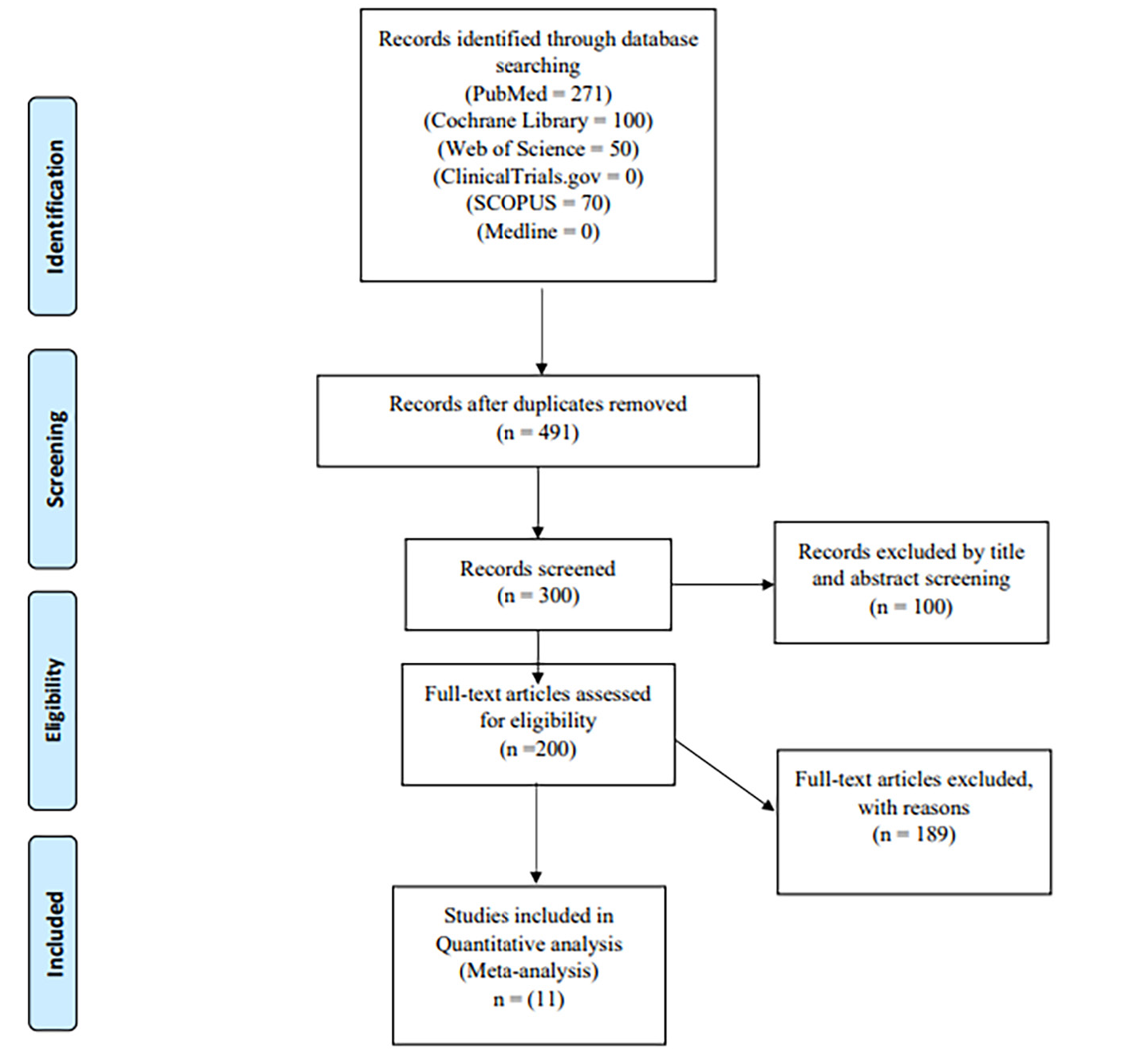
Table 1. The inclusion criteria and study designs of the included studies
Study ID | Country | Inclusion criteria | Intervention | Study design | Sample size | |
|---|---|---|---|---|---|---|
LESS | CLS | |||||
Bedaiwy et al.(4) 2012 | USA | Cases with a diagnosis of adnexal benign disease at an ultrasound examination and negative serum marker levels | Adnexectomy | Retrospective cohort | 28 | 50 |
Fagotti et al.(6) 2011 | Italy | Patients with unilateral adnexal disease requiring surgical evaluation, a normal CA-125, and a body mass index <35 who underwent adnexectomy via LESS or conventional operative laparoscopy were included | Cystectomy or salpingo-oophorectomy | RCT | 30 | 30 |
Im et al.(18) 2011 | Korea | Age less than 70 years, American Society of Anesthesiology Class 1 or 2. Cases that performed coexistence with other surgeries, such as uterine myomectomy were excluded | Cystectomy or salpingo-oophorectomy | Prospective comparative study. | 18 | 15 |
Karasu et al.(23) 2017 | Turkey | Cases with benign adnexal mass. | Cystectomy or salpingo-oophorectomy | Retrospective cohort study | 32 | 39 |
Kim et al.(24) 2012 | Korea | Patients with unilateral adnexal disease requiring surgical evaluation, a normal CA-125, and a body mass index <35 who underwent adnexectomy via LESS or conventional operative laparoscopy were included | Cystectomy or salpingo-oophorectomy | Retrospective cohort study | 94 | 94 |
Lee et al.(21) 2010 | Korea | Age <70 years and an adnexal mass on ultrasonography or pelvic magnetic resonance imaging | Cystectomy or salpingo-oophorectomy | Retrospective case-control study | 17 | 34 |
Lee et al.(20) 2014 | Korea | Patients with benign adnexal tumors | Cystectomy or salpingo-oophorectomy | Retrospective cohort study | 129 | 100 |
Shin et al.(16) 2019 | Korea | An indication for adnexal surgery, no evidence of malignancy based on ultrasound or computed tomography, normal cervical cytology, and appropriate medical status for surgery (American Society of Anesthesiologists Physical Status classification 1 or 2) | Cystectomy or salpingo-oophorectomy with or without adhesiolysis or myomectomy | RCT | 31 | 30 |
Hoyer-Sørensen et al.(17) 2012 | Norway | Women greater than 18 years of age with presumed benign ovarian disease or a hereditary cancer risk, assessed as having an American Society of Anesthesiologists score of 1 or 2 and having an ovarian cyst of at least 6 cm | A salpingo-oophorectomy | RCT | 20 | 20 |
Wang et al.(19) 2016 | China | Patients who were diagnosed with the presence of adnexal masses on ultrasound without any severe complications | Cystectomy + oophorectomy | Retrospective case | 99 | 104 |
Yim et al.(22) 2013 | Korea | An adnexectomy was planned for cases of benign lesions in patients with adequate medical conditions for laparoscopic surgery. Patients who planned to have concurrent uterine surgery were not included | Adnexectomy. Patients receiving additional procedures were excluded | Retrospective case | 110 | 107 |
RCT: Randomized clinical trial, LESS: Laparoendoscopic single-site surgery, CLS: Conventional laparoscopy
Table 2. Demographic and clinical characteristics of the included participants
Study ID | Age mean, SD/(IQR) | BMI mean, SD/(IQR) | Previous abdominal surgery n (%) | Mass size mean, SD/(IQR) | ||||
|---|---|---|---|---|---|---|---|---|
LESS | CLS | LESS | CLS | LESS | CLS | LESS | CLS | |
Bedaiwy et al.(4) 2012 | 42±8.6 | 44±9 | 26±8.2 | 27±8.5 | 8 (28.6%) | 16 (32%) | 5.5±2.5 | 6.7±83 |
Fagotti et al.(6) 2011 | 49.0 (20-73) | 42.0 (15-73) | 22.8 (17.6-37.0) | 22.1 (18.2-30.0) | 9 (30.0%) | 10 (33.3%) | 5.10 (1.4-8.3) | 5 (2.0-9.0) |
Im et al.(18) 2011 | 38.4 (21.1-67.4) | 37.9 (26.7-60.2) | 23.7 (20-44.6) | 22.9 (19.4-29.6) | 6 (33.3%) | 6 (40%) | - | - |
Karasu et al.(23) 2017 | 31.1±8.35 | 29.9±7.96 | 24.8±3.69 | 23.4±2.83 | 12 (37.4%) | 6 (15%) | 7.92±1.41 | 7.48±1.89 |
Kim et al.(24) 2012 | 44.2±14.0 | 39.3±12.8 | 22.0 (15.6-37.0) | 21.3 (17.0-34.1) | 46 (48.9%) | 29 (30.9%) | 5.0 (2.0-25.0) | 5.0 (2.0-9.0) |
Lee et al.(21) 2010 | 44.7±12.1 | 39.9±10.1 | 22.8±3.2 | 23.3±3.5 | 12 (70.5%) | 26 (76.5%) | 5.6 (2.3-14.0) | 6.2 (2.9-10.5) |
Lee et al.(20) 2014 | 34 (16-70) | 35 (22-65) | 20.7 (16.8-39.0) | 21.3 (16.8-29.7) | 37 (28.7%) | 19 (19.0%) | NR | NR |
Shin et al.(16) 2019 | 36.5±14.5 | 39.9±15.8 | 21.1±3.0 | 22.3±3.0 | 8 (25%) | 7 (23.3%) | 6.9±4.6 | 6.8±3.2 |
Hoyer-Sørensen et al.(17) 2012 | 55.1±16.2 | 58.7±10.8 | 25.1±5.5 | 25.4±4.8 | 13±65 | 10±50 | NR | NR |
Wang et al.(19) 2016 | 32 (11, 58) | 32 (15, 73) | 22.1±3.2 | 22.2±3.1 | 17 (17.2%) | 21 (20.2%) | 4.9 (14.0, 226.0) | 55.5 (5.0, 181.0) |
Yim et al.(22) 2013 | 35.4±10.3 | 34.3 (10.8) | 21.4 (2.82) | 21.4 (2.7) | 15 (13.6%) | 21 (19.6%) | NR | NR |
LESS: Laparoendoscopic single-site surgery, CLS: Conventional laparoscopy, SD: Standard deviation, IQR: Interquartile range, BMI: Body mass index
Table 3. Summary of the histological type and the intervention performed
Study ID | Histological type | Intervention performed | ||||||||||||||||
|---|---|---|---|---|---|---|---|---|---|---|---|---|---|---|---|---|---|---|
Mature cystic teratoma | Mucinous cystadenoma | Serous cystadenoma | Others | Cystectomy/enucleation | Salpingo-oophorectomy | Salpingectomy | oophorectomy | Others | ||||||||||
LESS | CLS | LESS | CLS | LESS | CLS | LESS | CLS | LESS | CLS | LESS | CLS | LESS | CLS | LESS | CLS | LESS | CLS | |
Bedaiwy et al.(4) 2012 | 10 (36%) | 18 (36%) | 6 (21%) | 8 (16%) | 8 (28.5%) | 12 (24%) | 4 (14%) | 12 (24%) | NR | NR | NR | NR | NR | NR | NR | NR | NR | NR |
Fagotti et al.(6) 2011 | NR | NR | NR | NR | NR | NR | NR | NR | NR | NR | NR | NR | NR | NR | NR | NR | NR | NR |
Im et al.(18) 2011 | NR | NR | NR | NR | NR | NR | NR | NR | 11 (61.1) | 10 (66.7) | 5 (27.8) | 4 (26.7) | 2 (11.1) | 1 (6.7) | NR | NR | 2 (11.1) | 5 (33.3) |
Karasu et al.(23) 2017 | 6 (18) | 2 (5.1) | 4 (12.5) | 2 (5.1) | NR | NR | 26 (81.25) | 29 (90) | 21 | 33 | 4 | 0 | 2 | 1 | 4 | 3 | 1 | 2 |
Kim et al.(24) 2012 | 15 (15.9) | 37 (39.3) | NR | NR | NR | NR | 79 (84) | 53 (60.6) | NR | NR | NR | NR | NR | NR | NR | NR | NR | NR |
Lee et al.(21) 2010 | 5 (29.3%) | 15 (44.1) | NR | NR | 3 (17.7) | 2 (5.9) | 2 (11.7) | 6 (17.7) | 12 (70.6) | 20 (58.8) | NR | NR | NR | NR | 5 (29.4) | 14 (41.2) | NR | NR |
Lee et al.(20) 2014 | 36 (27.9) | 30 (30.0) | 7 (5.4) | 9 (9.0) | 6 (4.7) | 2 (2.0) | 14 (10.9) | 16 (16.0) | 98 (76) | 65 (65) | NR | NR | 1 (0.7) | 0 | 29 (22.4) | 33 | 1 (0.7) | 2 (2) |
Shin et al.(16) 2019 | 6 (19) | 8 (26) | 2 (6) | 3 (1) | 4 (12) | 7 (23) | 19 (61) | 12 (40) | 25 (80) | 21 (67) | 5 (16) | 8 (26) | 1 (3) | 1 (3) | NR | NR | 12 (38) | 7 (23) |
Hoyer-Sørensen et al.(17) 2012 | NR | NR | NR | NR | NR | NR | NR | NR | NR | NR | 17 (85) | 18 (90) | NR | NR | NR | NR | NR | NR |
Wang et al.(19) 2016 | 27 (27.8) | 19 (18.3) | 14 (14.4) | 24 (23.1) | NR | NR | 41 (40.8) | 57 (54.8) | 53 (53.5) | 49 (47.1) | 6 (6.1) | 6 (5.8) | NR | NR | 13 (13.1) | 8 (7.7) | 2 (2.0) | 2 (1.9) |
Yim et al.(22) 2013 | 34 (30.9) | 33 (30.8) | 11 (10.0) | 9 (8.4) | 8 (7.3) | 6 (5.6) | 47 (42) | 48 (43) | 81 (73.6) | 71 (67.0) | 28 (25.5) | 34 (32.1) | 1 (0.9) | 1 (0.9) | NR | NR | NR | NR |
LESS: Laparoendoscopic single-site surgery, CLS: Conventional laparoscopy
The Results of the Quality Assessment
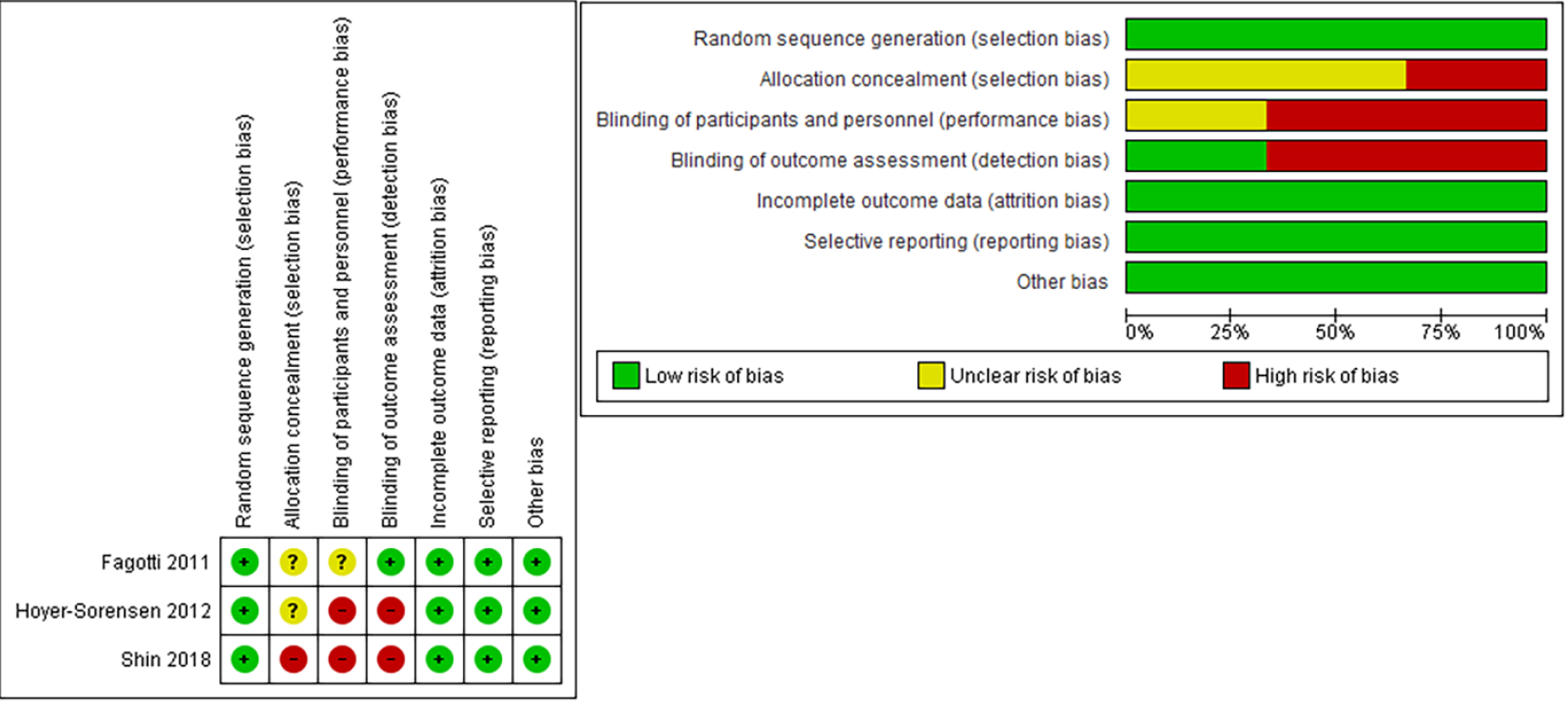
When looking at the results of the quality assessment, the average score was 10.5 on a scale with a maximum score of 14(, -). can be referenced for a detailed description of all the factors included in the quality assessment. Regarding the randomized studies(, , ), all the included studies were properly randomized, although Hoyer-Sorensen et al.() and Shin et al.() lack sufficient blinding. Therefore, they were found to be at a high risk of both performance and detection bias. Another outlier study, Fagotti et al.() reported proper blinding of the physicians with a low risk of detection bias, as seen in .
Table 4. Quality assessment for the included observational studies
Study ID | Bedaiwy et al.(4) 2012 | Im et al.(18) 2011 | Karasu et al.(23) 2017 | Kim et al.(24) 2012 | Lee et al.(21) 2010 | Lee et al.(20) 2014 | Wang et al.(19) 2016 | Yim et al.(22) 2013 |
|---|---|---|---|---|---|---|---|---|
1. Was the research question or objective in this paper clearly stated? | 1 | 1 | 1 | 1 | 1 | 1 | 1 | 1 |
2. Was the study population clearly specified and defined? | 1 | 1 | 1 | 1 | 1 | 1 | 1 | 1 |
3. Was the participation rate of eligible persons at least 50%? | 1 | 1 | 1 | 1 | 0 | 1 | 1 | 1 |
4. Were all the subjects selected or recruited from the same or similar populations (including the same time period)? Were inclusion and exclusion criteria for being in the study prespecified and applied uniformly to all participants? | 0 | 0 | 1 | 1 | 1 | 1 | 1 | 1 |
5. Was a sample size justification, power description, or variance and effect estimates | 0 | 0 | 0 | 0 | 0 | 0 | 0 | 0 |
6. For the analyses in this paper, were the exposure (s) of interest measured prior to the outcome(s) being measured? | 1 | 1 | 1 | 1 | 1 | 1 | 1 | 1 |
7. Was the timeframe sufficient so that one could reasonably expect to see an association between exposure and outcome if it existed? | 1 | 1 | 1 | 1 | 1 | 1 | 1 | 1 |
8. For exposures that can vary in amount or level, did the study examine different levels of the exposure as related to the outcome (e.g., categories of exposure, or exposure measured as continuous variable)? | 1 | 1 | 1 | 1 | 1 | 1 | 1 | 1 |
9. Were the exposure measures (independent variables) clearly defined, valid, reliable, and implemented consistently across all study participants? | 1 | 1 | 1 | 1 | 1 | 1 | 1 | 1 |
10. Was the exposure(s) assessed more than once over time? | 0 | 0 | 0 | 0 | 0 | 0 | 0 | 0 |
11. Were the outcome measures (dependent variables) clearly defined, valid, reliable, and implemented consistently across all study participants? | 1 | 1 | 1 | 1 | 1 | 1 | 1 | 1 |
12. Were the outcome assessors blinded to the exposure status of participants? | * | * | * | * | * | * | * | * |
13. Was loss to follow-up after baseline 20% or less? | 1 | 1 | 1 | 1 | 1 | 1 | 1 | 1 |
14. Were key potential confounding variables measured and adjusted statistically for their impact on the relationship between exposure(s) and outcome(s)? | 1 | 1 | 0 | 1 | 1 | 1 | 1 | 1 |
Total score (out of 14) | 10/14 | 10/14 | 10/14 | 11/14 | 10/14 | 11/14 | 11/14 | 11/14 |
Analysis of Outcomes
1. Operative Time (Min)
Most of the studies included in our analysis reported the total operative time for both procedures(, , , -). Our analysis revealed that LESS was associated with a longer operative time than CLS [MD=2.96 (-1.97, 7.90), p=0.24], and a moderate amount of heterogeneity was observed (p=0.07); I²=43. We managed the heterogeneity through a sensitivity analysis, resolving it by the exclusion of Lee et al.(). This resulted in [MD=3.52 (-1.01, 8.06), p=0.13] reduced heterogeneity (p=0.14, I²=35%), as seen in .
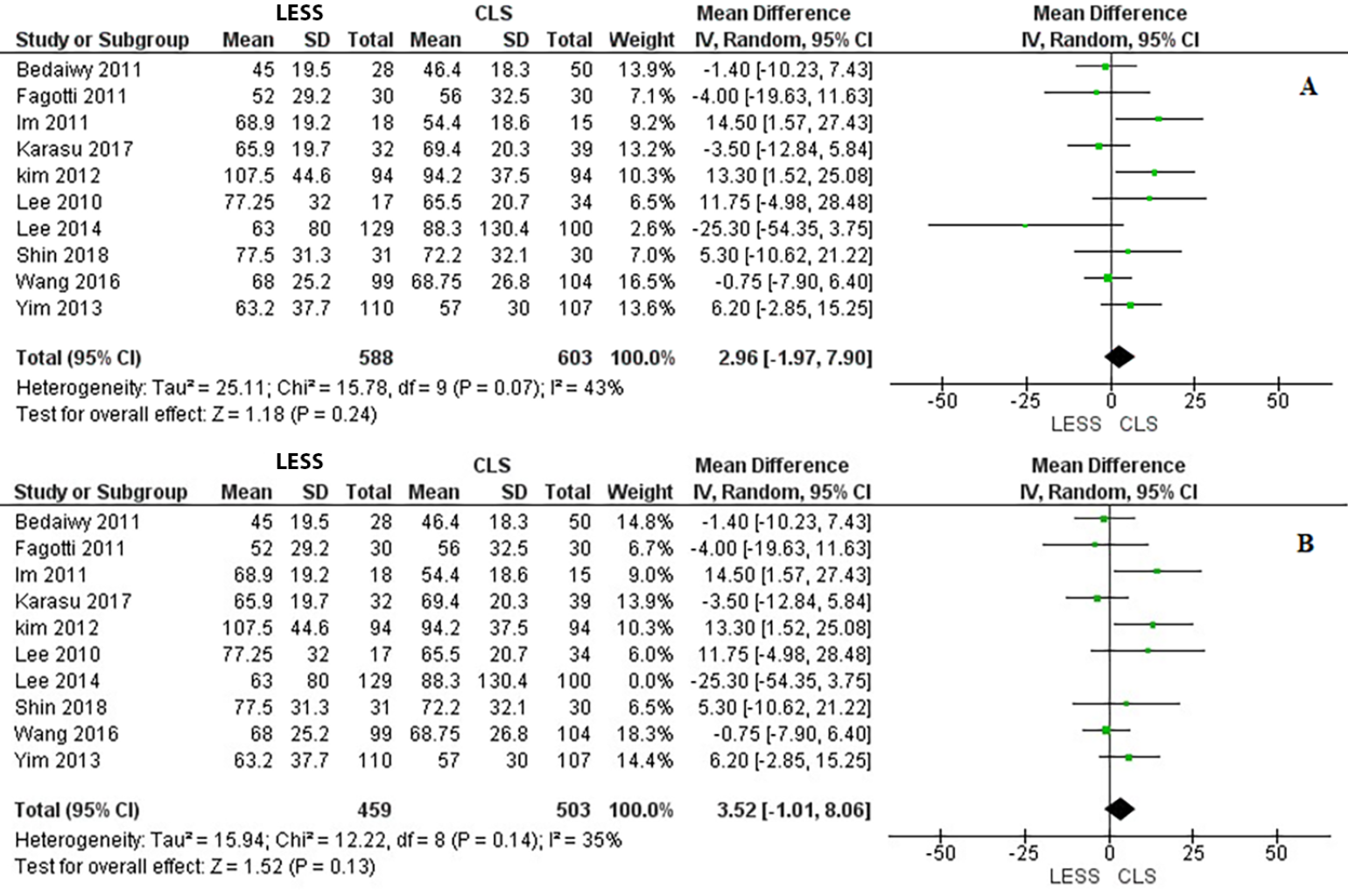
LESS: Laparoendoscopic single-site surgery, CLS: Conventional laparoscopy, CI: Confidence interval, SD: Standard deviation, IV: Inverse variance
2. Estimated Blood Loss (EBL) (in mL)
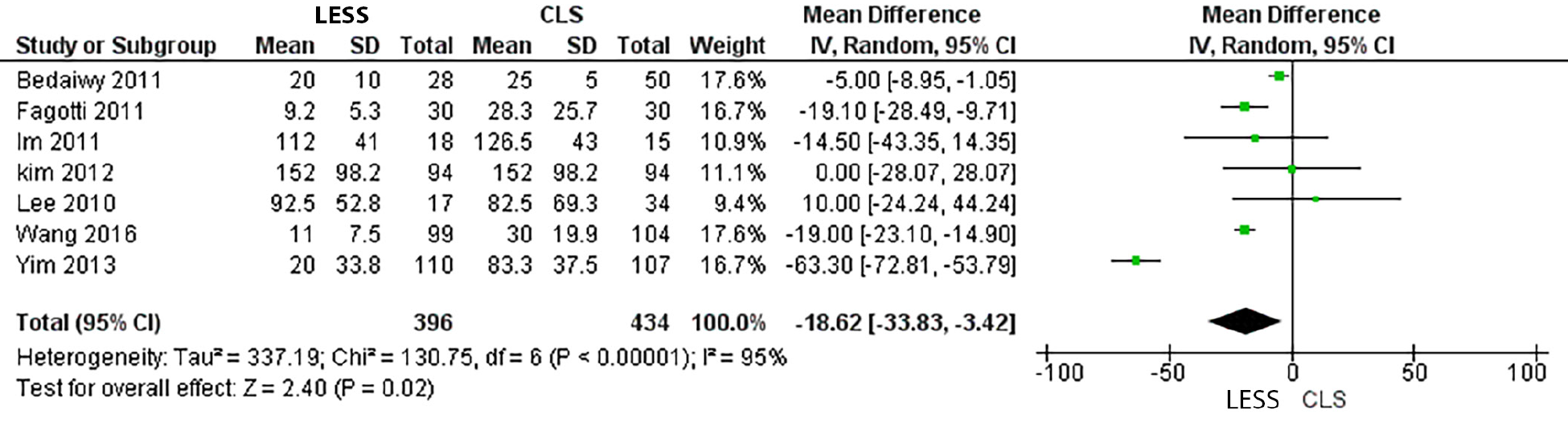
Estimated blood loss during the surgery was measured by seven studies(, , , , , ). Our pooled analysis revealed that adnexectomy using LESS was associated with a statistically significant reduction in the EBL compared with conventional laparoscopy [MD=-18.62 (-33.83, -3.42), p=0.02]. The analysis showed significant heterogeneity (p=0.01, I²=95%), which could not be addressed (as seen in ).
LESS: Laparoendoscopic single-site surgery, CLS: Conventional laparoscopy, CI: Confidence interval, SD: Standard deviation, IV: Inverse variance
3. Length of Hospital Stay (in Days)
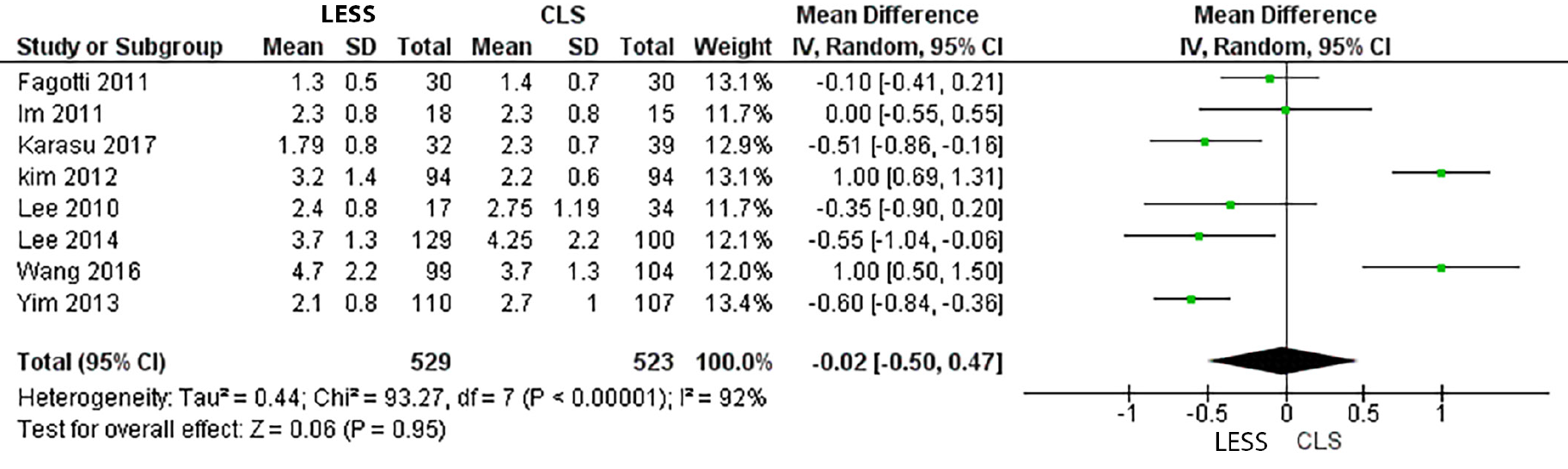
The mean hospital stay in the LESS group was 2.6 days, while in the CLS group it was 2.7 days. Our analysis showed that both operations had comparable hospital stay periods [MD=-0.02 (-0.50, 0.47), p=0.95] but significant heterogeneity was present (p=0.01, I²=92%), which we could not solve, as seen in .
LESS: Laparoendoscopic single-site surgery, CLS: Conventional laparoscopy, CI: Confidence interval, SD: Standard deviation, IV: Inverse variance
4. VAS Pain Score 24 hrs After Surgery
This outcome was reported by five studies(16-18,21,22). There was no significant difference found between the two groups regarding the measured VAS score [MD=0.23 (-0.09, 0.56), (p=0.16)]. Our analysis of the data revealed considerable heterogeneity (p<0.005); I²=74%. The heterogeneity was solved by the exclusion of Shin et al.() [MD=0.41 (0.26, 0.56) p=0.01], I²=1%, as seen in .
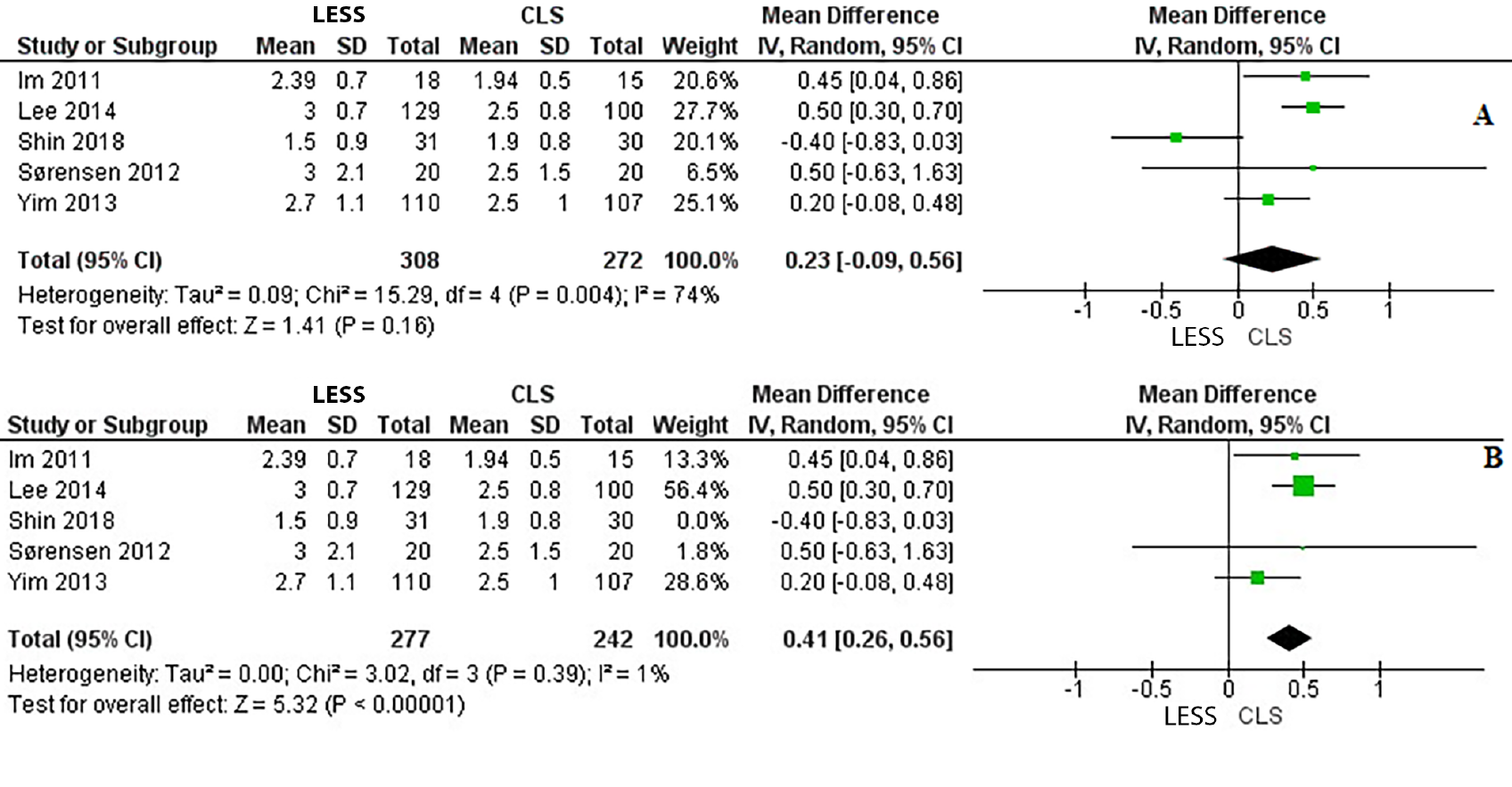
LESS: Laparoendoscopic single-site surgery, CLS: Conventional laparoscopy, CI: Confidence interval, SD: Standard deviation, VAS: Visual analog scale, IV: Inverse variance
5. VAS Pain Score 6 hrs After Surgery
Both procedures were associated with similar pain scores six hours after surgery [MD=0.15 (-0.04, 0.33), (p=0.12)]. Our analysis of the data was homogeneous (p=0.12), I²=27%, as seen in .
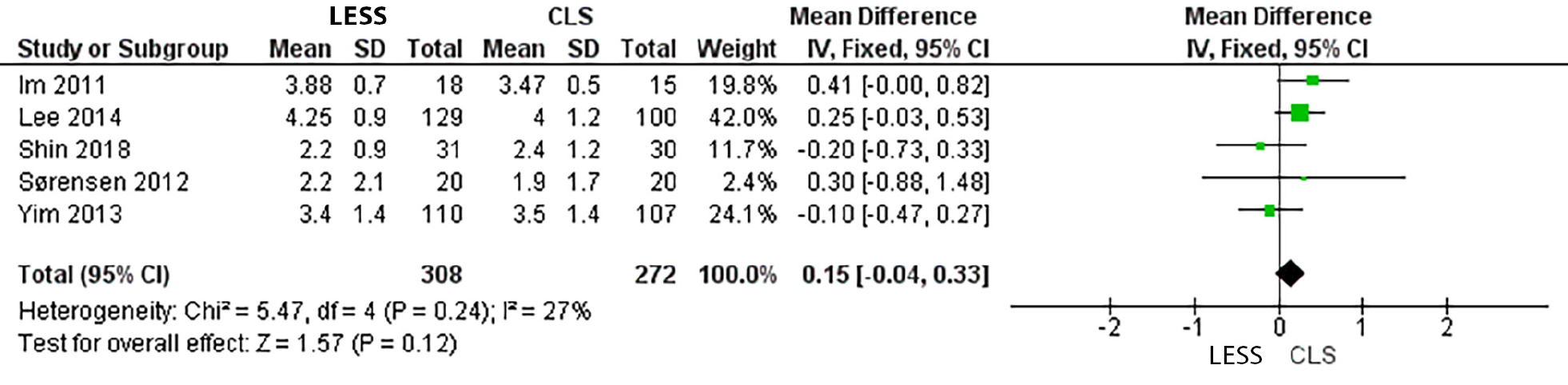
LESS: Laparoendoscopic single-site surgery, CLS: Conventional laparoscopy, CI: Confidence interval, SD: Standard deviation, IV: Inverse variance
6. Analgesic Use
The incidence of requiring analgesia in the postoperative period was significantly lower in the LESS group than in the CLS group. RR=0.47 (0.32, 0.68), p=0.001. The pooled analysis was homogenous (p=023); I²=29%, as seen in .
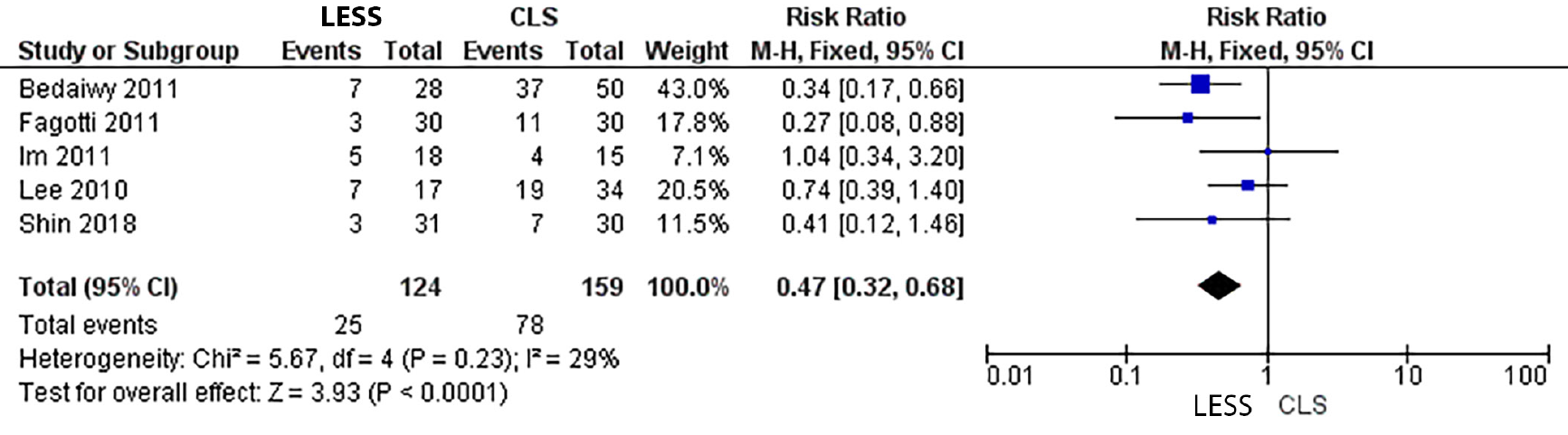
LESS: Laparoendoscopic single-site surgery, CLS: Conventional laparoscopy, CI: Confidence interval, SD: Standard deviation
7. Change in Hemoglobin (HGB) Level
The outcome was reported by five studies(, , -). Both groups were associated with comparable decreases in HGB with a homogenous analysis [MD=-0.11 (-0.26, 0.03) (p=0.14)], as seen in .
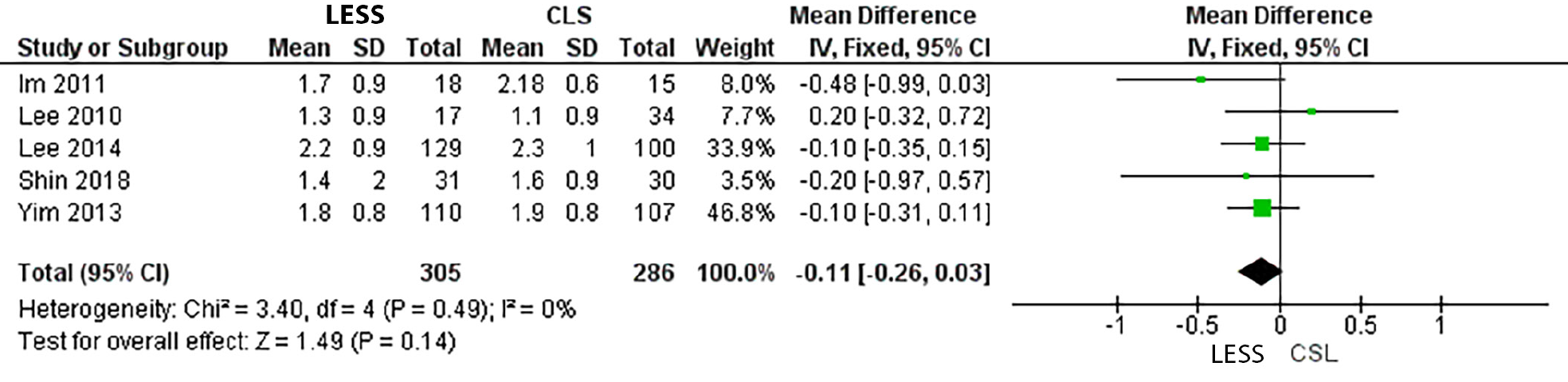
LESS: Laparoendoscopic single-site surgery, CLS: Conventional laparoscopy, CI: Confidence interval, SD: Standard deviation, IV: Inverse variance
8. Perioperative Complications
Six of the included studies evaluated the perioperative complications of both procedures. The incidence of perioperative complications was significantly higher in the LESS group than the CLS group [RR=2.236 (1.031, 4.851), p=0.04]. The pooled analysis was homogeneous (p=0.9; I²=0%), as seen in .
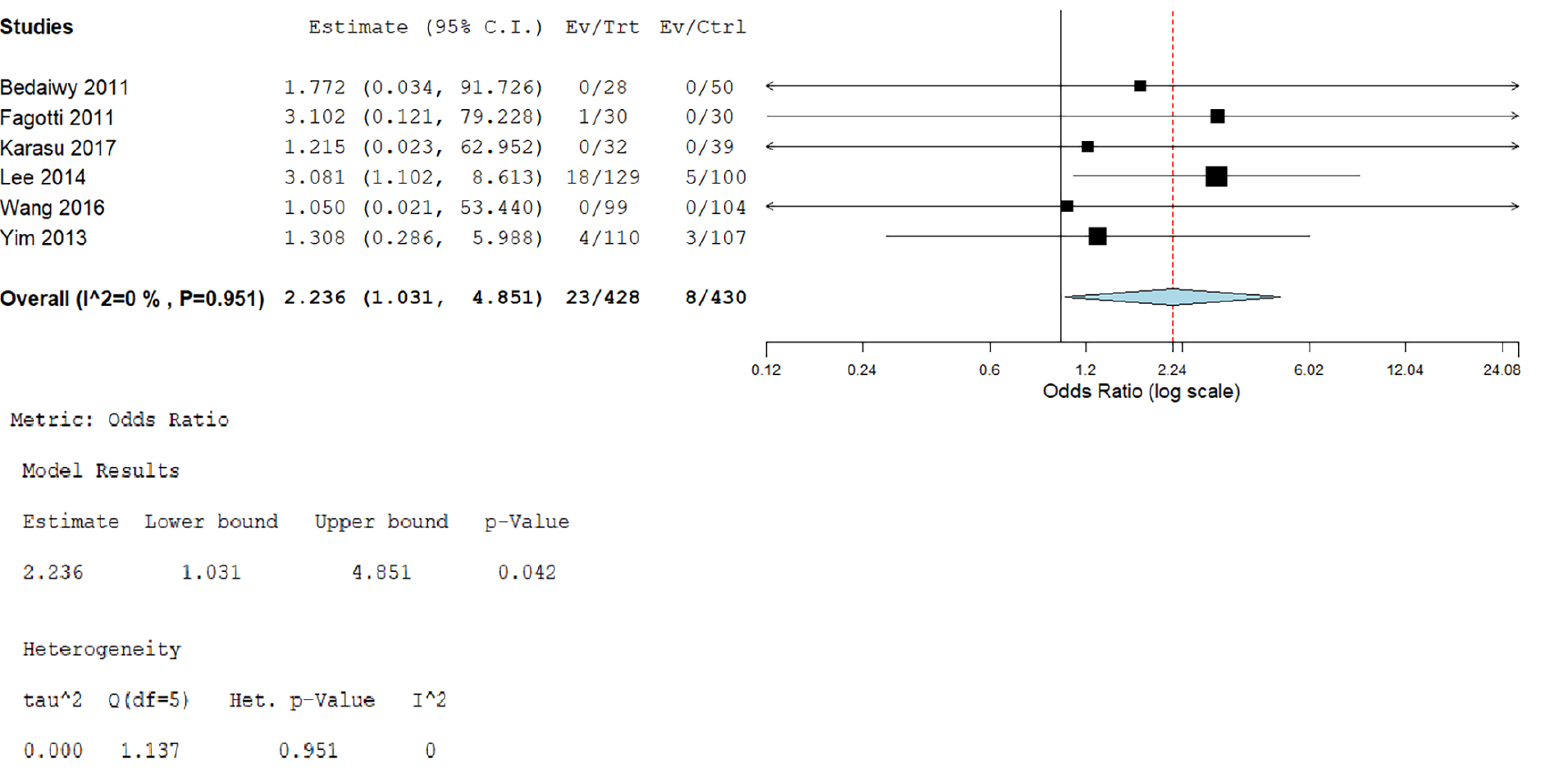
CI: Confidence interval
9. BMI and Previous Abdominal Surgery
We compared the BMI of the included cases, as well as the incidence of previous abdominal surgery, between the two procedures to determine if these factors could have affected the reliability of our analysis. We found that both BMI [MD=-0.07 (-0.48, 0.34), (p=0.74), I²=0%] and the history of previous abdominal surgeries [RR=1.16 (0.97, 1.38), (p=0.10), I²=0%] were nearly identical between the two groups, as seen in and .
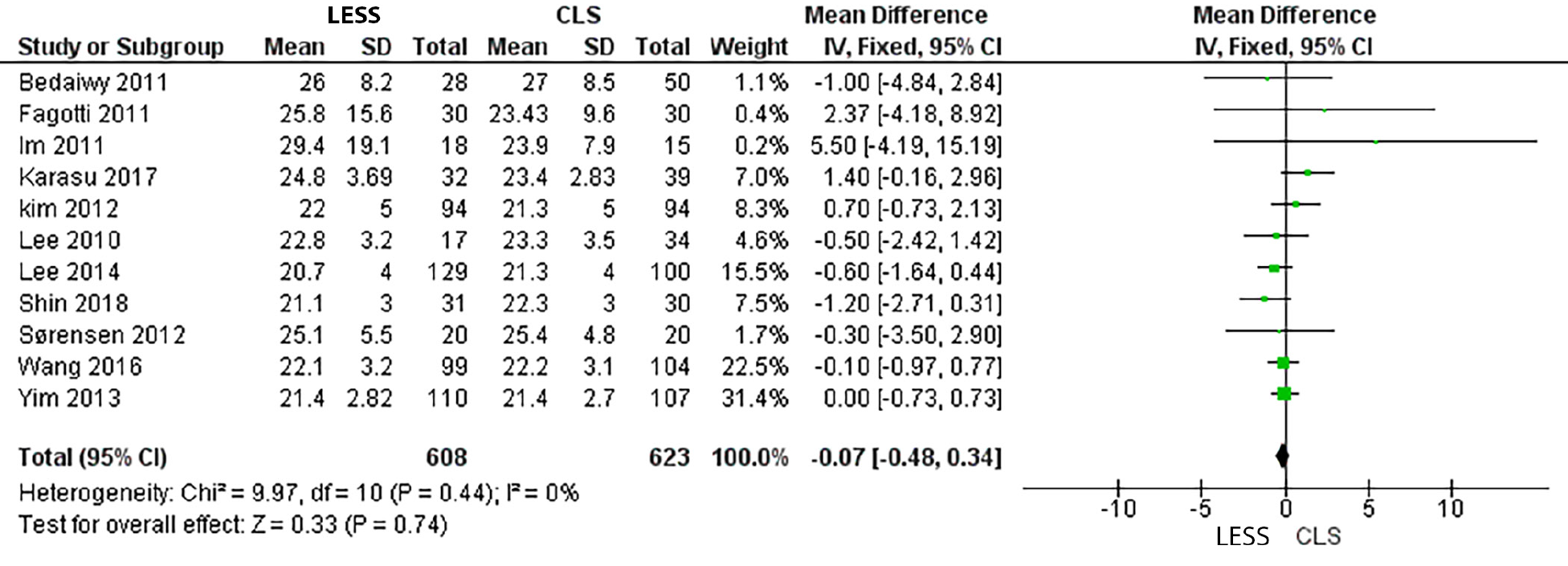
LESS: Laparoendoscopic single-site surgery, CLS: Conventional laparoscopy, CI: Confidence interval, SD: Standard deviation, IV: Inverse variance
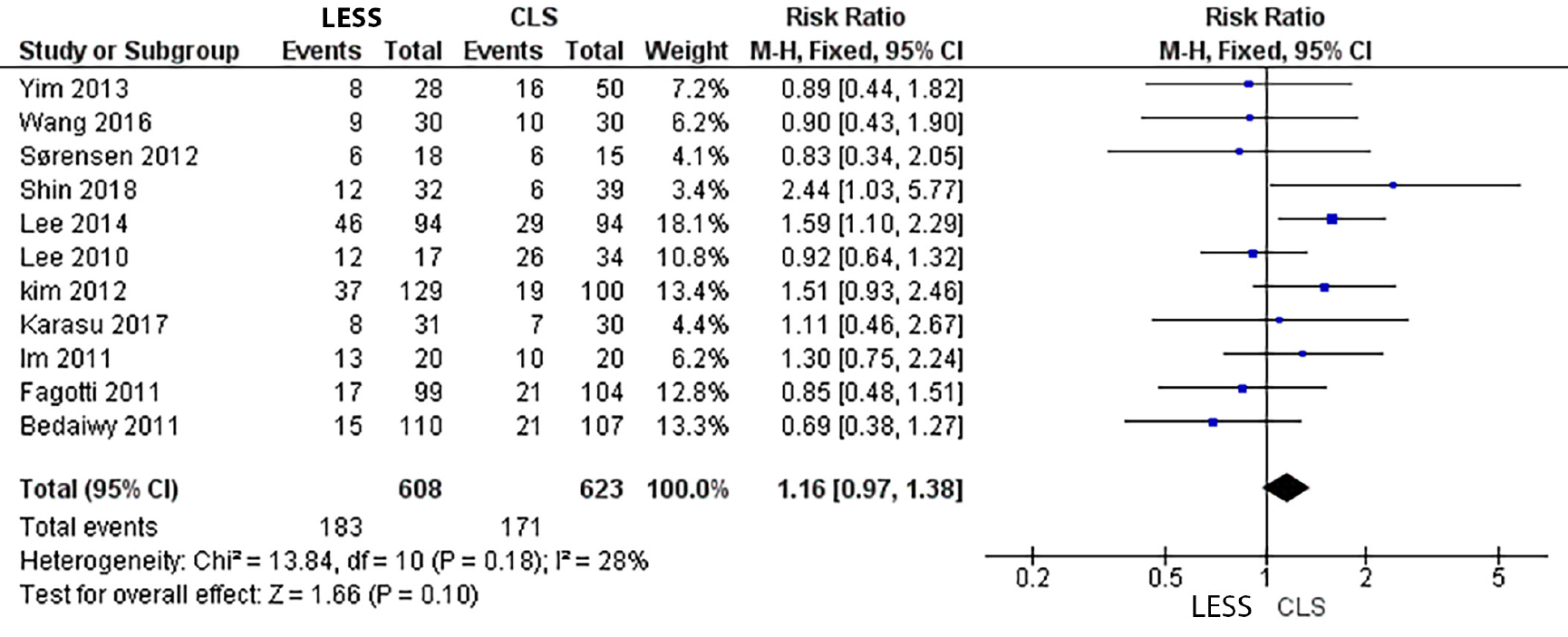
LESS: Laparoendoscopic single-site surgery, CLS: Conventional laparoscopy, CI: Confidence interval, SD: Standard deviation, IV: Inverse variance
Discussion
In our study comparing LESS and CLS in adnexectomy for benign adnexal disease, we focused on several efficacy and safety outcomes. As for the difference in operative time, LESS required slightly more time than CLS. The EBL was significantly reduced in the LESS compared with CLS. Hospital stays and VAS pain scores at 24 and 6 hours were similar between the two techniques. Analgesic use postoperatively was significantly lower in the LESS group. The change in HGB levels was comparable between the groups. However, the incidence of perioperative complications was significantly higher in the LESS group. This comprehensive comparison highlights that while LESS may offer benefits such as reduced blood loss and analgesic use, it also presents challenges including longer operative times and higher complication rates. This may challenge the feasibility of LESS in some situations.
Salpingectomy using LESS was first performed by Ghezzi et al.() in 2005, but has not been completely implemented, likely due to the technical difficulties encountered. Innovations in techniques and devices have expanded single port applications to various gynecological procedures(). Some of the limitations of LESS include reduced triangulation, instrument interference, and reduced visualization. Considering these limitations, this consideration may explain why the incidence of complications after LESS adnexectomy was higher than with CLS as reported by our analysis. These issues can make it more difficult for surgeons compared to standard laparoscopy, and present a steeper learning curve for surgeons in training(). Therefore, patient selection may be key in certain circumstances(). Patients with smaller adnexal masses, normal BMI and without an extensive history of abdominal surgery may be preferred(). However, the current study did not identify significant differences in the above patient characteristics between the LESS and conventional laparoscopy groups, and therefore did not find evidence of patient selection bias affecting results. We performed an analysis comparing BMI and history of previous operations, ensuring there was no significant baseline difference between the LESS and CLS groups. This indicates that disease and patient features do not necessarily limit the applicability of LESS().
The most recent meta-analysis on this topic, Lin et al.(), also found an increase in perioperative complications in the LESS group. This study differed from our study in that it was compelled to include ovarian cystectomy surgeries because of the limited number of studies available at that time dealing with adnexectomy. The fact that our study also shows an increase in perioperative complications seems to convincingly suggest that LESS is more dangerous than CLS for adnexectomy. Furthermore, it is possible that more of the risk that was found in Lin et al.() came from the adnexectomy studies than from the cystectomy studies.
In addition to increased complications, LESS was found to have a longer operative time compared to CLS. Long operative time results in increased time spent under pneumoperitoneum and anesthesia and raises the risk of postoperative complications including paralytic ileus(). Jeung et al.() concluded that it was significantly more common for a postoperative ileus to occur in patients who underwent laparoendoscopic single port hysterectomy with operative times >150 minutes, whereas no ileus occurred during surgeries lasting ≤150 minutes. While this topic remains controversial and requires further investigation, it suggests a potential relationship between ileus and LESS.
Another point of view was reported in a recent case series by Fagotti et al.() and Escobar et al.(), who sought to establish the feasibility of LESS for performing salpingo-oophorectomy in patients with BRCA gene mutations for the purpose of cancer risk reduction. Regarding LESS, they found the surgical competency can be attained in 10-15 cases, with a mean operative time of 38.1 minutes. This indicates that LESS may be as safe or safer than CLS in certain patient subgroups.
Study Limitations
This meta-analysis has several limitations. We could only find three RCTs, and they had a relatively small sample size. This creates a ROB. To overcome this, we included RCTs and non-RCTs in our study to achieve a larger sample size and greater statistical power. The resulting evidence was then highly heterogeneous, likely secondary to the differences concerning the tumor types, their size, the age of the patient, indications for surgery, and criteria used for matching. Unfortunately, we could not subgroup by the histologic type of ovarian mass, as very few studies gave data on this parameter.
Conclusion
Compared with CLS, LESS needed more operative time, but offered significantly less estimated blood loss. Hospital stays and VAS pain scores at 6 and 24 hours postoperatively were similar between the two techniques. LESS resulted in significantly lower postoperative analgesic use and comparable changes in HGB levels. However, the incidence of perioperative complications was higher in the LESS group. These findings challenge the feasibility and safety of LESS for adnexectomy when compared to CLS.
Acknowledgements
The Marchand Institute for Minimally Invasive Surgery would like to acknowledge the efforts of all the students, researchers, residents, and fellows at the institute who put their time and effort into these projects without compensation, only for the betterment of women’s health. We firmly assure them that the future of medicine belongs to them.
Authorship Contributions
Surgical and Medical Practices: G.J.M., A.Az., Concept: G.J.M., Design: G.J.M., B.H., Data Collection or Processing: H.U., A.A., D.G., B.H., K.R., M.D., Analysis or Interpretation: K.R., A.Az., Literature Search: H.U., A.A., D.G., B.H., K.R., M.D., Writing: G.J.M.
Conflict of Interest: No conflict of interest was declared by the authors.
Financial Disclosure: The authors declared that this study received no financial support.
Footnotes
Acknowledgements
The Marchand Institute for Minimally Invasive Surgery would like to acknowledge the efforts of all the students, researchers, residents, and fellows at the institute who put their time and effort into these projects without compensation, only for the betterment of women’s health. We firmly assure them that the future of medicine belongs to them.
Authorship Contributions
Surgical and Medical Practices: G.J.M., A.Az., Concept: G.J.M., Design: G.J.M., B.H., Data Collection or Processing: H.U., A.A., D.G., B.H., K.R., M.D., Analysis or Interpretation: K.R., A.Az., Literature Search: H.U., A.A., D.G., B.H., K.R., M.D., Writing: G.J.M.
Conflict of Interest: No conflict of interest was declared by the authors.
Financial Disclosure: The authors declared that this study received no financial support.
References
American College of Obstetricians and Gynecologists’ Committee on Practice Bulletins-Gynecology. Practice bulletin no. 174: evaluation and management of adnexal masses. Obstet Gynecol. 2016;128:e210-26.
American College of Obstetricians and Gynecologists. ACOG practice bulletin. Management of adnexal masses. Obstet Gynecol. 2007;110:201-14.
Carvalho JP, Moretti-Marques R, Filho ALDS. Adnexal mass: diagnosis and management. Rev Bras Ginecol Obstet. 2020;42:438-43.
Bedaiwy MA, Starks D, Hurd W, Escobar PF. Laparoendoscopic single-site surgery in patients with benign adnexal disease: a comparative study. Gynecol Obstet Invest. 2012;73:294-8.
Escobar PF, Bedaiwy MA, Fader AN, Falcone T. Laparoendoscopic single-site (LESS) surgery in patients with benign adnexal disease. Fertil Steril. 2010;93:2074.e7-10.
Fagotti A, Bottoni C, Vizzielli G, Alletti SG, Scambia G, Marana E, et al. Postoperative pain after conventional laparoscopy and laparoendoscopic single site surgery (LESS) for benign adnexal disease: a randomized trial. Fertil Steril. 2011;96:255-9.e2.
La Verde M, Riemma G, Tropea A, Biondi A, Cianci S. Ultra-minimally invasive surgery in gynecological patients: a review of the literature. Updates Surg. 2022;74:843-55.
Ghezzi F, Uccella S, Cromi A, Siesto G, Serati M, Bogani G, et al. Postoperative pain after laparoscopic and vaginal hysterectomy for benign gynecologic disease: a randomized trial. Am J Obstet Gynecol. 2010;203:118.e1-8.
Pirtea L. Editorial: minimally invasive surgery in benign gynecological pathology. Front Med (Lausanne). 2024;11:1379505.
Ranjan A, Joshi KS, Pajai S, Mohammad S. Laparoendoscopic single-site surgery (LESS): a shift in gynecological minimally invasive surgery. Cureus. 2022;14:e32205.
Mereu L, Dalprà F, Tateo S. Laparoendoscopic single site hysterectomy: literature review and procedure description. J Clin Med. 2021;10:2073.
Silverstein RG, McClurg AB, Moore KJ, Fliss MD, Louie M. Patient Characteristics associated with access to minimally invasive gynecologic surgery: changes during the COVID-19 pandemic. J Minim Invasive Gynecol. 2022;29:1110-8.
Moher D. Preferred reporting items for systematic reviews and meta-analyses: the PRISMA statement (Chinese edition). J Chinese Integr Med. 2009;7:889-96.
Robbins IM, Moore TM, Blaisdell CJ, Abman SH. National heart, lung, and blood institute workshop: improving outcomes for pulmonary vascular disease. Circulation. 2012;125:2165-70.
Wallace BC, Dahabreh IJ, Trikalinos TA, Lau J, Trow P, Schmid CH. Closing the gap between methodologists and end-users: r as a computational back-end. J Stat Softw. 2012;49.
Shin IW, Park H, Kang H, Jung YJ, Lee EJ. Hybrid laparoendoscopic single-site surgery using a 2-mm mini-laparoscopic instrument versus conventional three-port laparoscopy for gynecologic adnexal diseases: a prospective randomized trial. Gynecol Obstet Invest. 2019;84:495-502.
Hoyer-Sorensen C, Vistad I, Ballard K. Is single-port laparoscopy for benign adnexal disease less painful than conventional laparoscopy? A single-center randomized controlled trial. Fertil Steril. 2012;98:973-9.
Im KS, Koo YJ, Kim JB, Kwon YS. Laparoendoscopic single-site surgery versus conventional laparoscopic surgery for adnexal tumors: a comparison of surgical outcomes and postoperative pain outcomes. Kaohsiung J Med Sci. 2011;27:91-5.
Wang SY, Yin L, Guan XM, Xiao BB, Zhang Y, Delgado A. Single port transumbilical laparoscopic surgery versus conventional laparoscopic surgery for benign adnexal masses: a retrospective study of feasibility and safety. Chin Med J (Engl). 2016;129:1305-10.
Lee IO, Yoon JW, Chung D, Yim GW, Nam EJ, Kim S, et al. A comparison of clinical and surgical outcomes between laparo-endoscopic single-site surgery and traditional multiport laparoscopic surgery for adnexal tumors. Obstet Gynecol Sci. 2014;57:386.
Lee YY, Kim TJ, Kim CJ, Park HS, Choi CH, Lee JW, et al. Single port access laparoscopic adnexal surgery versus conventional laparoscopic adnexal surgery: a comparison of peri-operative outcomes. Eur J Obstet Gynecol Reprod Biol. 2010;151:181-4.
Yim GW, Lee M, Nam EJ, Kim S, Kim YT, Kim SW. Is single-port access laparoscopy less painful than conventional laparoscopy for adnexal surgery? A comparison of postoperative pain and surgical outcomes. Surg Innov. 2013;20:46-54.
Karasu Y, Akselim B, Kavak Cömert D, Ergün Y, Ülker K. Comparison of single-incision and conventional laparoscopic surgery for benign adnexal masses. Minim Invasive Ther Allied Technol. 2017;26:278-83.
Kim TJ, Lee YY, An JJ, Choi CH, Lee JW, Kim BG, et al. Does single-port access (SPA) laparoscopy mean reduced pain? A retrospective cohort analysis between SPA and conventional laparoscopy. Eur J Obstet Gynecol Reprod Biol. 2012;162:71-4.
Ghezzi F, Cromi A, Fasola M, Bolis P. One-trocar salpingectomy for the treatment of tubal pregnancy: a ‘marionette-like’ technique. BJOG An Int J Obstet Gynaecol. 2005;112:1417-9.
Jung YW, Choi YM, Chung CK, Yim GW, Lee M, Lee SH, et al. Single port transumbilical laparoscopic surgery for adnexal lesions: a single center experience in Korea. Eur J Obstet Gynecol Reprod Biol. 2011;155:221-4.
Ramirez PT. Single-port laparoscopic surgery: is a single incision the next frontier in minimally invasive gynecologic surgery? Gynecol Oncol. 2009;114:143-4.
Fan X, Lin T, Xu K, Yin Z, Huang H, Dong W, et al. Laparoendoscopic single-site nephrectomy compared with conventional laparoscopic nephrectomy: a systematic review and meta-analysis of comparative studies. Eur Urol. 2012;62:601-12.
Moulton L, Jernigan AM, Carr C, Freeman L, Escobar PF, Michener CM. Single-port laparoscopy in gynecologic oncology: seven years of experience at a single institution. Am J Obstet Gynecol. 2017;217:610.e1-8.
Lin Y, Liu M, Ye H, He J, Chen J. Laparoendoscopic single-site surgery compared with conventional laparoscopic surgery for benign ovarian masses: a systematic review and meta-analysis. BMJ Open. 2020;10:e032331.
Barletta JF, Senagore AJ. Reducing the burden of postoperative ileus: evaluating and implementing an evidence-based strategy. World J Surg. 2014;38:1966-77.
Jeung IC, Lee YS, Song MJ, Park EK. Laparoendoscopic single-site total laparoscopic hysterectomy: clinical factors that affect operative times and techniques to overcome difficulties. J Minim Invasive Gynecol. 2017;24:617-25.
Escobar PF, Starks DC, Fader AN, Barber M, Rojas-Espalliat L. Single-port risk-reducing salpingo-oophorectomy with and without hysterectomy: surgical outcomes and learning curve analysis. Gynecol Oncol. 2010;119:43-7.